Tuesday, April 18, 2023

How to Choose the Right Data Center Training Program

Data center operations are a critical component of modern businesses, with data centers being responsible for managing and storing large amounts of data. To ensure smooth and efficient operations, it is essential to have a skilled workforce that understands the complex technology and infrastructure involved. This is where data center training programs come in. In this post, we'll discuss how to choose the right data center training program to advance your career and add value to your organization.

Assess Your Training Needs

Before selecting a Data Center Training Courses it's important to assess your current knowledge and skill level. This will help you identify any knowledge gaps and areas for improvement. You can use tools and resources like online assessments or training needs analysis to assess your skills and knowledge.

Consider Your Learning Preferences

Understanding your learning style and preferences is also essential to choosing the right data center training program. Everyone learns differently, and it's important to find a training program that matches your learning preferences. For example, some people learn better through hands-on training, while others prefer online learning or classroom-style training. Knowing your learning style and preferences can help you choose a program that best fits your needs.

Research Available Training Programs

Once you've assessed your training needs and identified your learning preferences, it's time to research available training programs. There are many different types of training programs available, such as online courses, boot camps, and certification programs. Each type of program has its own benefits and drawbacks, so it's important to understand the differences and choose the one that best suits your needs.

Check for Accreditation and Certification

Choosing an accredited and certified training program is crucial to ensure that you receive high-quality training. Accreditation is a process that evaluates the quality of a training program, while certification is a recognition that you have completed a specific training program and have met certain requirements. Check if the training program you're considering is accredited by a reputable organization and if it leads to certification recognized in the industry.

Compare Costs and Benefits

Another factor to consider when choosing a data center training program is the cost and benefits. Training programs can vary significantly in cost, and it's important to compare costs and benefits to determine the best value for your money. Look at the cost of the program, the duration of the training, and the potential return on investment in terms of salary increase or career advancement opportunities.

Seek Recommendations and Reviews

Finally, it's a good idea to seek recommendations and reviews from peers and industry experts. Word of mouth recommendations can be valuable, as they provide first-hand insights into the quality of the training program. Additionally, you can read online reviews and testimonials to get an idea of what to expect from the training program.

Conclusion

Choosing the right data center training program is essential for developing the skills and knowledge needed to succeed in the field. By assessing your training needs, understanding your learning preferences, researching available programs, checking for accreditation and certification, comparing costs and benefits, and seeking recommendations and reviews, you can choose the program that best fits your needs and helps you achieve your career goals. Remember to take your time and carefully evaluate each option to make an informed decision that will pay off in the long run.
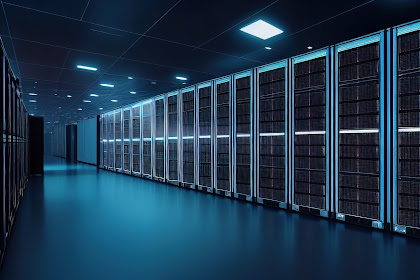
The Challenges of Managing a Modern Data Center

Data centers are critical infrastructure for modern businesses. They store and process the massive amounts of data that companies generate every day, making it possible to run complex operations, analyze customer data, and deliver services to clients all over the world. However, managing a modern data center can be a significant challenge, with complex infrastructure, security concerns, staffing challenges, and more. In this post, we'll explore some of the biggest challenges facing data center managers today and what can be done to address them.

Infrastructure challenges

One of the most significant challenges facing data center managers today is managing the infrastructure that makes up their data center. Modern data centers are incredibly complex, with a vast array of servers, storage devices, networking equipment, and other components. Ensuring that all of these components work together seamlessly is a significant challenge.

One of the most critical aspects of data center infrastructure management is ensuring high availability. Downtime can be incredibly costly for businesses, and data center managers must ensure that their infrastructure is always up and running. This requires redundancy and failover capabilities, as well as backup power and cooling systems.

Managing multiple locations is another infrastructure challenge. Many modern data centers are distributed across multiple locations, making it even more critical to ensure that all components work together seamlessly. Coordinating activities across multiple locations can be complex and requires careful planning and communication.

Finally, environmental considerations are also an important part of infrastructure management. Data centers require significant amounts of power and cooling to keep all of their components running. Data center managers must ensure that their infrastructure is designed for efficiency and that they are using energy and water resources responsibly.

Security challenges

Another significant challenge facing data center managers today is security. Data centers are critical infrastructure for businesses, and keeping them secure is a top priority. There are several security challenges that data center managers must address, including physical security, network security, and data security.

Physical security is essential to prevent unauthorized access to the data center. This includes access controls, surveillance systems, and alarms. Network security is also critical, as data centers are connected to the internet and must be protected against cyber-attacks. Data security is another essential aspect of data center security. Data centers store sensitive data, and ensuring that this data is protected from unauthorized access, theft, and other risks is critical.

Challenges with compliance and regulation are also a significant concern for data center managers. Many industries are subject to strict regulations governing the storage and processing of data, and data center managers must ensure that they are in compliance with these regulations.

Management challenges

Managing a modern data center is a complex task that requires careful planning and execution. Capacity planning is a significant challenge, as data centers must be designed to handle current and future workloads. Resource allocation is another challenge, as data center managers must ensure that resources are allocated efficiently to support critical business operations.

Maintenance and repair are also essential aspects of data center management. Data center components can fail, and it is the responsibility of data center managers to ensure that they are maintained and repaired promptly. Finally, managing multiple vendors can also be a significant challenge. Data center managers must work with a wide range of vendors, including hardware providers, software vendors, and service providers, to ensure that their data center is running smoothly.

Staffing challenges

One of the biggest challenges facing data center managers today is a shortage of skilled professionals. Managing a modern data center requires specialized skills and expertise, and finding qualified professionals can be challenging. Keeping up with technology advancements is also a challenge, as data center technology is continually evolving, and data center managers must ensure that their staff is trained to work with the latest technologies.

Retaining top talent is also a significant challenge for data center managers. Skilled professionals are in high demand, and data center managers must work hard to create an environment that attracts and retains top talent.

Future challenges

Looking ahead, there are several future challenges that data center managers will need to address. Advancements in technology are continually changing the landscape of data center management, and staying ahead of these advancements will be critical to the success of data center operations. For example, new technologies like artificial intelligence and machine learning are changing the way data centers operate, and data center managers must stay up to date with these advancements to ensure that their data centers are running efficiently.

Another challenge facing data center managers is the growing demand for data storage and processing. As businesses generate more data than ever before, data center managers must ensure that their data centers can handle these growing workloads. This requires careful capacity planning and the implementation of new technologies to increase data center efficiency.

Finally, sustainability concerns are also becoming an important issue for data center managers. Data centers consume vast amounts of energy, and data center managers must ensure that they are using energy responsibly and reducing their carbon footprint. This requires the implementation of new technologies to improve energy efficiency, as well as the adoption of sustainable business practices.

Conclusion

Managing a modern data center is a complex task that requires careful planning, execution, and management. Infrastructure, security, management, and staffing challenges are all significant issues that data center managers must address to ensure that their data centers are running smoothly. Looking ahead, data center managers will need to stay ahead of advancements in technology, manage growing workloads, and adopt sustainable business practices to ensure the continued success of their data center operations. By prioritizing these challenges and implementing effective solutions, data center managers can help businesses thrive in the digital age.


Friday, March 31, 2023

Choosing the Right Data Center Advisory Services: Key Considerations and Criteria

Data center advisory services can help businesses of all sizes optimize their data center operations, reduce costs, and improve efficiency. However, with so many providers to choose from, it can be challenging to know which one is the right fit for your business. In this blog, we will explore the key considerations for choosing the right data center advisory services.

Assessing Your Data Center Needs

Before you can choose the right data center advisory provider, you need to understand your business requirements. Consider factors such as the size of your data center, the number of servers and applications you have, and the level of security and compliance required. Identify areas for improvement in your data center operations and define your budget and timeline for making changes.

Evaluating Advisory Services Providers

When evaluating advisory services providers, there are several factors to consider. First, look at the experience and expertise of the provider. How long have they been in business, and what types of clients have they worked with in the past? Are they familiar with the latest technologies and trends in data center operations?

Another factor to consider is the range of services offered by the provider. Do they offer a comprehensive set of services, from initial assessment and planning to implementation and ongoing support? Are they flexible enough to customize their solutions to meet your specific needs?

Customer service and support are also critical considerations. How responsive is the provider to your questions and concerns? Do they have Data Center Infrastrucure Specialist support, and how quickly can they respond to urgent issues?

Key Considerations for Choosing Advisory Services Providers

When choosing an advisory services provider, it is essential to ensure that they align with your business goals. Look for a provider that can help you achieve your specific objectives, whether that's reducing costs, improving uptime and availability, or enhancing security and compliance.

Another important consideration is the provider's ability to provide customized solutions. Every business is unique, and your data center operations may require tailored solutions that address your specific needs and challenges.

Industry reputation and track record are also crucial factors. Look for providers with a proven track record of success, and check their references and reviews from other clients.

Finally, cost-effectiveness and ROI should be top-of-mind when choosing an advisory services provider. Look for a provider that can offer competitive pricing and deliver a measurable return on investment.

Making the Final Decision

Once you have narrowed down your list of potential advisory services providers, it's time to make a final decision. Consider all the factors discussed above, as well as any additional criteria specific to your business. Work with the provider to ensure a smooth transition and establish a clear plan for ongoing support and maintenance.

Conclusion

Choosing the right data center advisory services is critical to the success of your data center operations. By assessing your needs, evaluating providers, and considering key factors such as alignment with business goals and cost-effectiveness, you can make an informed decision that delivers real value to your business.


Thursday, March 16, 2023

How Data Center Managers Can Drive Business Growth

Data centers have become an essential part of modern businesses, and data center managers play a critical role in ensuring that these centers run smoothly and efficiently. But the role of data center managers goes beyond just ensuring that the infrastructure is working properly - they can also drive business growth. Here's how data center managers can drive business growth and help businesses stay ahead of the competition.

Leveraging Data for Business Growth

Data center managers can leverage the data that is stored and processed in the data center to help drive business growth. They can analyze the data and provide insights to other business units, such as marketing or finance, to inform decision-making and improve customer experiences. For example, data center managers can use data analytics to help businesses better understand their customers, identify trends, and predict future needs.

Optimizing Data Center Operations

Data center managers can optimize data center operations to improve efficiency and reduce costs, freeing up resources for other business initiatives. By implementing best practices for data center design, construction, and maintenance, data center managers can reduce energy consumption, lower cooling costs, and minimize downtime. This can help businesses save money and focus on growth opportunities rather than on managing infrastructure.

Mitigating Risks

Data center managers can help mitigate risks associated with data management, such as data breaches or downtime. They can implement robust security measures to prevent unauthorized access, theft, or data breaches, and ensure that the data center is always available to support business operations. By mitigating these risks, data center managers can help protect businesses from reputational damage and other negative impacts.

Collaboration with Other Business Units

Data center managers can collaborate with other business units, such as IT, marketing, or finance, to align data center strategies with broader business objectives. By understanding the needs of other business units, data center managers can ensure that the data center is providing the necessary support to drive growth and achieve business goals. This collaboration can help businesses stay ahead of the competition and drive innovation.

Conclusion

Data center managers play a critical role in driving business growth by leveraging data, optimizing data center operations, mitigating risks, and collaborating with other business units. By understanding the needs of the business and aligning data center strategies with broader business objectives, data center managers can help businesses stay competitive and achieve their growth objectives. With the rapid pace of digital transformation, the role of data center managers will continue to be essential for businesses that want to succeed in today's fast-paced business landscape.


Tuesday, February 28, 2023

What Makes a Great Data Center Engineer?

In today's business landscape, data centers have become a critical component for organizations to manage their data and stay competitive. Therefore, it's crucial to have great data center engineers who can design, implement, and manage data center infrastructure effectively. In this article, we will discuss the qualities that make a great data center engineer.

Technical Expertise

One of the essential qualities of a great data center engineer is technical expertise. They must have a deep understanding of data center infrastructure and be proficient in various technologies, such as servers, storage, and networking. Additionally, they should have knowledge of industry-standard data center practices, protocols, and regulations.

Attention to Detail

Data center engineers must be meticulous in their work, paying attention to the smallest details. They must ensure that data center infrastructure is designed and implemented correctly and that it is always operating at peak performance. Any mistake in the design or implementation of the infrastructure could cause significant downtime or data loss.

Problem-Solving Skills

A great data center engineer must have excellent problem-solving skills. They must be able to identify and solve problems quickly and efficiently, minimizing downtime and data loss. They must be able to work under pressure and find solutions to problems promptly.

Communication Skills

Communication is another crucial quality of a great data center engineer. They must be able to communicate effectively with other engineers, team members, and clients. They must be able to explain technical concepts to non-technical stakeholders in a way that they can understand.

Flexibility

A great data center engineer must be flexible and adaptable. They must be able to adjust to changing circumstances, whether it be changes in technology or new business requirements. They must be able to work with different teams and clients, each with their unique needs and expectations.

Passion

Passion is another quality that makes a great data center engineer. They must be passionate about their work, driven to achieve the best results for their clients. They must stay up-to-date with the latest trends and technologies in data center engineering and continuously seek to improve their skills and knowledge.


In conclusion

Data center engineering is a critical function for businesses, and great data center engineers play a significant role in ensuring that data centers operate efficiently and effectively. They must possess the technical expertise, attention to detail, problem-solving skills, communication skills, flexibility, and passion to excel in their role. If you're interested in pursuing a career in data center engineering, these qualities are essential to develop to become a great data center engineer.


Thursday, February 2, 2023

Things to remember while hiring a Data Center Advisory service

The first step in choosing a Data Center Advisory service is when you decide to create a data center. You receive assistance and guidance from data center professionals in all the stages you must take to create a fully functional DC. You can also finish your project on schedule and within your allocated budget by working with a data center consultant. But before selecting it you should remember a few things.

Things you should keep in mind while hiring Data Center Advisory

  1. Competent Individuals

Pick a consulting company with Data Center Engineer who has expertise and certification. Quality services, management of contingencies, and conflict management are ensured by professionals who have certifications like CDCP and CDCS.

  1. Implementation within budget and on time

Each delay in data center implementation strains the firm's assets and workforce, raising the total cost of administration for the product. A skilled group with a skilled Data Center Manager that conducts targeted evaluations and pays close focus to precision will assist you in finishing the work on time and under budget.

  1. enables flexibility

Select a consultant firm that is aware of the fact that your data center needs will evolve over time. Additionally, flexibility and adaptability are crucial criteria in modern data centers if they are to remain fully operational for their entire duration.

  1. Advice, management, and construction

Some consulting firms only offer advice and upkeep; you should choose a service that helps you make decisions from the moment you decide you want to operate a data center.

Your consultant shouldn't leave as soon as your data center is prepared for IT; instead, they should deliver clear and thorough as-built paperwork for future planning and maintenance.

You will create a single point of communication and get rid of any disputes if your Data Center Advisory also develops your data center for you.

  1. considerations for power and cooling

The cooling system, as well as the energy consumption of a data center, is two of its most crucial components. Data center specialists must assist you in making a cooling decision that maintains the PUE and consequently the data center systems' electricity costs low.

  1. Include DCIM

Select a consultant who provides an alternative to DCIM service extension.

Conclusion

Consulting services for data centers often cover project management, building, surveillance and control, and power management options. Get the Data Center Advisory of a consulting firm that provides enterprise-wide advisory services and a thorough strategy for protecting your company's mission-critical machinery.

Thursday, January 12, 2023

What can I achieve by getting Data Center Engineering Certificate?

The world is growing digitally, and this fact cannot be ignored or dismissed. You must be ahead of the technology curve if you want to compete with the competition (and win). 

Every business aspires to be "innovative." How do you stand out when there are so many people claiming to give the same thing? Even if some people could be reluctant to adapt, a contemporary Data Center Engineer will encourage innovation in you. How? Read on.

Benefits of achieving a Data Center Engineering Certificate

Independence of scale

Freedom from outside influence or control is what autonomy entails. All companies want to expand and reach their full potential, but this can be hampered if IT doesn't make it possible for this to happen very quickly.

If you can't scale back, you're just wasting money and cutting into your overall profit when you should be giving more resources to the areas where the company needs them. So if you have Data Center Engineering Certificate and knowledge you can achieve the scaling power. 

Diminished management

The most successful businesses are those that develop digitally. A contemporary data Center Engineer minimizes the need for upkeep and management. You may do everything from having less hardware on-site to managing only the programme itself without having to worry about the rest. This will give your personnel more time to concentrate on the innovation needed to outperform your rivals.

Security

Although frequently cited as a reason not to use cloud services, this is usually a major motivator. That number will increase as attack strategies advance, which is a worrying idea. How, therefore, can you make sure your company is secure as the threat intensifies? The knowledge from Data Center Engineering Certificate will help you in achieving security. 

Technological advancement

If you can't keep up with how quickly technology is developing, you will fall behind. The definition of a contemporary data center is one that is constantly on the cutting edge of technology, and Data Center Engineering Certificate puts it right at your fingertips.

What are you still holding out for? The key to being innovative is accepting the change that could advance your company.

Conclusion

Government, Industry, and organizations are aware that there is a growing demand for young Data Center Engineers who have a system-level understanding of intricate data center processing processes due to the increasing acceleration of technology.


Pioneering Progress: Data Center Advisory Perspectives

In today's rapidly evolving digital landscape, the role of data centers has become more critical than ever. As businesses strive to stay...